
A new study suggests that newer oral weight loss drugs may do more than suppress appetite, potentially altering brain circuits that control motivation and reward, impacting how one experiences pleasure.

A new study suggests that physical activity can trigger the movement of cerebrospinal fluid, aiding in the removal of waste from the brain and potentially reducing the risk of neurodegenerative diseases.
A new study reveals that lower abdominal fat accumulation in midlife is associated with slower brain atrophy, better preservation of brain structures, and improved cognitive performance later in life.
A new study reveals that obesity-related changes in body fat can disrupt brain signals and immune function, potentially worsening Alzheimer's disease.
Researchers at IIT Kanpur are studying alpha waves in the brain to understand how stress affects cognitive functions. The study aims to build automated models of stress dimensions using EEG and correlating them with factors like loss of control, helplessness, and anxiety.
A new study reveals that neuron networks in the brain's hippocampus, the memory centre, become sparser but more structured and refined as animals mature.

A new study reveals that immune cells within brain tumours may be manipulating sugar metabolism, specifically breaking down fructose, to suppress immune responses and promote tumour growth. Blocking fructose breakdown in these cells could improve immunotherapy outcomes for glioblastoma patients.

A new study has found that high calcium levels in microglia, a specialised group of immune cells in the brain, could be linked to anxiety, potentially paving the way for new treatments for neuropsychiatric disorders.
Alert: Post graduate courses in brain research

India has launched its first repository of data on major psychiatric disorders, CALM-Brain, in Bengaluru. This initiative aims to systematically document details of patients with mental illness to improve diagnosis and treatment.

A new study has identified two distinct subtypes of autism, one with increased communication associated with immune-related systems and another with reduced connectivity linked to synaptic pathways. The findings, published in Nature Neuroscience, pave the way for more precise and personalised autism care and support.

Researchers at Birla Institute of Technology-Mesra have developed a brain-computer interface (BCI) system that translates brain signals into real-time wheelchair navigation commands using a hybrid quantum-enhanced deep learning model.
In January, Gopalakrishnan had donated Rs 225 crore (Rs 2.25 billion) to set up a brain research centre in a joint effort between IISc and a trust formed by him and his wife.
A new study reveals that evening caffeine consumption can impact sleep quality by reducing slow-wave activity, even if sleep duration appears normal. Researchers used EEG to analyse brain activity during sleep, finding that caffeine can shift the brain towards a more wakeful state, hindering restorative sleep.
A new study has identified a region in the brainstem, the structure connecting the brain to the spinal cord, that plays a crucial role in cognitive flexibility and the ability to adapt to changing conditions. Researchers found that the 'locus coeruleus' in the brainstem is central to how the brain switches between behavioural rules, impacting disorders like ADHD, depression, and OCD.

A new study suggests that manipulating the gut microbiome by stimulating the vagus nerve may help reverse memory loss associated with ageing. The research highlights the gut's role in cognitive function and potential therapeutic strategies.

There is no doubt in our capabilities, says the Infosys co-founder.
A new study reveals that insects' lightning-fast reactions are due to a 'turbo boost' feature in their brains, which could inspire more energy-efficient robots and self-driving cars.
A US study has revealed three trajectories of cognitive decline in Alzheimer's disease -- stable, slow decline, and fast decline -- based on scans of over 1,100 people with elevated amyloid protein levels.
A new study suggests that damage to the brain's white matter can trigger features often associated with neurodegenerative diseases, such as inflammation in the grey matter.

The smiling axolotl is everywhere at the World Cup in Mexico City. But behind the colorful murals and mascot statues lies a troubling reality: scientists say the critically endangered amphibian is becoming increasingly difficult to find in the wild.

A new study suggests that airborne micro- and nanoplastic particles may contribute to global warming, potentially accounting for over 16 per cent of the impact of black carbon.

'The innovators have been able to more or less stay where they are, in terms of revenue even as the generics are seeing exponential growth due to their affordability.'
A new study reveals a link between the diversity of gut bacteria and the body's hormonal and stress response, suggesting the gut microbiome plays a role in regulating acute stress.
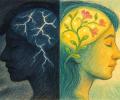
This is what the new Spanish study reveals about a woman's brain after sexual assault.
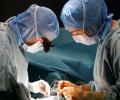
Doctors at AIIMS, Delhi, have successfully performed a simultaneous pancreas-kidney transplant after 18 years, marking a significant advancement in organ transplantation in India. The surgery was performed on a 30-year-old patient with end-stage renal disease caused by Type 1 diabetes.

A new blood test analysing the folding of amino acids, rather than their amounts, shows promise in detecting the earliest biological signs of Alzheimer's disease, according to a recent study.
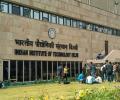
IIT Delhi, in collaboration with the University of Exeter, is developing cutting-edge sports technology, including wearable ultrasound sensors for injury prevention and helmets that can detect concussions in real-time, potentially revolutionising athlete safety and performance.

Vitamin B12 or cobalamin is a vital nutrient that crucially supports the proper functioning of your nervous system and has a role in the production of red blood cells, apart from being good for your bones, eyes, hair, skin
Scientists at the GraphIN 2026 conference highlighted the potential of ultra-sensitive graphene sensors for rapid disease detection and various other applications, including flexible heating pads for neonatal care and lightweight structures for unmanned aerial vehicles.

The Supreme Court of India has permitted the withdrawal of life-sustaining treatment for a 32-year-old man who has been in a coma for over 13 years following a traumatic brain injury.

Love+happiness brings less doctor visits, less anxiety, less stress, quicker healing, all things that are good for your body.

'India's ties with Israel have to do with defence and general technology.' 'The war changes nothing in what India and Israel hope to get from the relationship.' 'It's not as though India will get significantly more benefits from Iran if India abandons Israel at this time.'

Yams are wholesome root vegetables packed with essential nutrients, offering a mix of vitamins, minerals and energy-giving components.

'In three years, you will have an AI model that will be smarter than the smartest mathematician or the smartest scientist.'

Half a cup of pomegranate seeds packs only 72 calories, yet brims with heart-friendly nutrients and is rich in antioxidant that calm inflammation.

President Trump with his MAWA has unwittingly provided us this opportunity. Will PM Modi grasp this and leave a legacy of an ushered in scientific and technological revolution in India, asks Colonel Anil A Athale (retd).

There is a decisive shift in how cancer may soon be confronted and, hopefully, defeated.

Even by conservative assumptions that 5 to 10 per cent of infected individuals develop long Covid, India today may be home to 50 to 100 million infected individuals -- many silently coping with breathlessness, fatigue, palpitations, brain fog, or unexplained clotting tendencies.

Your sleep is a mirror to your mind, habits and health.
 © 2026 Rediff.com - Advertise with us - Disclaimer - Privacy Policy - Sitemap - Feedback - About us - Terms of use - Grievances